Monday, 13 October 2014

Terrific Thai Chill Out


It was a late summer holiday for us in 2014, so we decided to splurge a little and head to Thailand rather than sticking closer to home in Europe. Thanks to the incredible Megan from Flight Centre Havelock North (New Zealand), we sorted a fantastic deal at the luxurious Anantara resort in Hua  Hin, sandwiched between a night at Bangkok either end. Not so much independent travel this time, as all organised for us so we could just chill out.

Bangkok was hot and hectic, a welcome contrast to the early days of autumn in London. We didn’t have long there, but spent an evening wandering along the Khao San Road (enjoying our first massage of the week) and the better part of a day exploring the Grand Palace and Wat Pho (reclining Buddha). Both were extremely interesting and beautiful, but hot, hot, hot, and not much shade or refreshment options – so go prepared!

Taxis and tuk tuks are cheap so they’re an easy way to get around, but do not underestimate the amount of traffic! We had to rush a little to meet our transfer to Hua Hin after a day sightseeing.


Hua Hin is a peaceful beachside town, the choice of the Royal family for their holidays. There was lots of excitement while we were there with the Royal family heading down for a visit and locals lining the streets dressed in yellow – the royal colour – to welcome them.

The Anantara Hua Hin was like paradise to us, particularly as it wasn’t high season so was fairly quiet. We’d opted for a slightly more expensive Lagoon Room pool which came with exclusive access to a smaller secluded pool area, the option to have breakfast delivered to our room (which we did, pretty much every day, on our balcony overlooking a picturesque pond), free transport in and out of the town a few kms down the road, and best of all a daily afternoon tea which was essentially an hour of all you can eat and drink – so we had our fill of cocktails and nibbles while chatting to other Lagoon Room guests and making some new friends.


Days were spent lazing by one of the pools, but if we’d wanted to we could have explored the nearby vineyards, temples or golf courses. We did spend an excellent half day doing a Thai cooking course. We were collected from the hotel, joined the others on the course (there were only 8 of us) at the food market and shopped for the ingredients we’d need that day, learning about some of the different vegetables and things like palm sugar and fresh coconut milk, before heading to the house where the lesson took place. After a refreshing drink, we learnt how to make thai red curry paste (and then a pork curry with it), chicken and cashews (which we've made at home already!), delicious Papaya salad, then unforgettable mango and sticky rice.


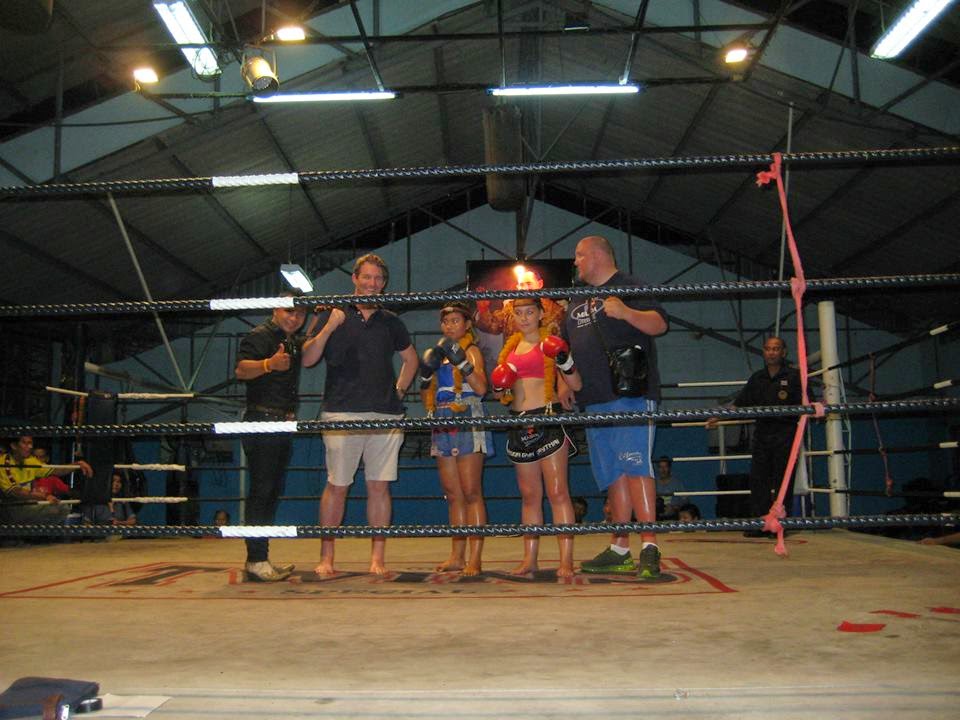
Most evenings after getting our fill of the boozy ‘afternoon tea’ we got the hotel shuttle into Hua Hin and got a massage from Thai Thai (a full body Thai massage for about £5, and no silly businesses) then either wandered the night market (open every night with stalls selling food and trinkets) or got our fill at one of the excellent waterfront restaurants. All cheap, cheerful, and delicious. On our final night, we joined the locals at a kickboxing match. The hotel staff had recommended the night to go as it was a big match on, visitors from a UK club v the locals. They were very welcoming of tourists, setting us up at the best ring-side table and getting us both in the ring to give the fighters necklaces of marigolds before they began each fight.


A few more notes on the Anantara:

- breakfast was standard buffet stuff, plenty of range, not the best hotel breakfast we've ever had which was one of the reasons we were happy to have it in our room most of the time. Towards the end of breakfast time (which is when our alarm would go off!) things weren't replenished and the fresh bars (eg the guys making omlettes) were closing down well before the time ended. However, the in-room menu was confusing, and so most days we ended up with two of everything we ordered (yes, two steaks, two stacks of pancakes, and two fruit salads...). Since this was included in our room rate already we didn’t mind, but it was pretty wasteful since we couldn’t eat it all – honest!

- staff were lovely, polite and accommodating

- the main pool was impressive, it was one huge pool that included shallow areas for kids and a really deep area which was nice as most hotel pools don't have that. It had a standard swim up bar and pool-side service etc, and lots of loungers and towels 


- there was a kids' club (that we didn't explore!)

- This hotel isn’t really ideal if you want to spend loads of time sunbathing on the beach or swimming in the sea. The beach on the resort was pretty stony and only a small strip. After a rainstorm there were lots of jellyfish too. Good for a stroll but not if you're a beach lover.

- we only ate dinner at the Anantara once, pretty good Thai food at close to London prices (£10 for a main). Beware the Thai mojito complete with chilli!

 - the main bar didn't seem to be in use any of the time we were there which was a shame as they were set up for a live band. This is probably because it was off-season, but it would have been nice to end each night with a drink there.

 - before our trip we contacted the hotel about the best way to get from Bangkok to Hua Hin. They recommended a private car but then we saw they had a 'luxury van' option from their Bangkok hotel so we did that. Ostensibly it's at a set time but as we were the only ones needing it, we managed to choose what time we left. It was a big air conditioned mini-van with nice touches like the day's newspapers and a chilli bin with cold drinks. The cost was £14pp each way for a 2-3 hr journey, so it good value and allowed comfort and flexibility that the train wouldn’t have. 
 
Relaxed!
 

Saturday, 31 May 2014

Iceland: The land of fire and ice


The Reids had spotted a great deal for 4 days in Iceland, so for the second Bank Holiday in May we jetted to Reykjavik for some sightseeing. Our package included flights, hotel, transfers and a variety of excursions which really made for a low-stress holiday pretty much everything was pre-organised - a welcome change from indepenednt travelling given our big trip in Israel and Jordan just weeks before.. On reflection it was a great way to do it - particularly given our mammoth self-guided tour of Israel a couple of weeks previously - and everything was efficiently done so we were pleased we did it this way.
We arrived at about 11pm local time and it was still light – an indication of how far north Iceland really is, and how dark it must get in the winter. A great option for Northern lights if you do go in winter. Generally the trip was pretty cold even for the end of May – we were a little under-prepared but got through alright.

Day 1 – Whalewatching

A morning at leisure wandering the few streets of the small town of Hafnarfjordor then a midday pickup from the hotel to go whalewatching. A really efficient service and we were on board a pretty large boat that probably held 200 people. Out on the ocean it was pretty cold, and the boat came prepared with enough padded onesies for all.


These were well needed as outside the harbour the wind got up and sitting outside was the only option to get watching. Clearly they’d spotted a few whales in their time, and they really hone in on where the whales would surface.


We got caught in a tourist trap that evening though. Unfortunately our first choice for dinner was full, so we happened upon the Viking Restaurant. It's a really big place, and there weren’t many people in so the atmosphere was a little sparse, though they did have a wandering guitar player. Unfortunately the food wasn’t that great, and was relatively more expensive than the rest of Iceland and our honest and polite feedback was discussed forcefully. Not to worry, we didn’t need to go back (and nor should you if you ever get the chance!_.

Day 2 – Free time

No tours scheduled for today, what to do? Hire a car and explore! In the morning we heading off to the famous Blue Lagoon , an outdoor geothermal spa. As the weather had closed in and was foggy and rainy it made for an atmospheric setting. No photos inside though – here’s one from the area outside:


Continuing our tour we landed upon Viking World, a museum that covered some of the history of Iceland, with archaeological findings, but the highlight was the Viking Ship Íslendingur, a replica of ancient Viking vessels that was built in the 1990s and sailed from Iceland to the USA following the journeys of centuries ago.


After the disappointment of the previous night, we hit the jackpot with an Icelandic Tapas Restaurant in Reykjavik central. The highlight was the Icelandic Tapas menu, which included whale, local fish and puffin! A great success.

Day 3 – Golden Circle tour

Another tour from Reyjkavik excursions, this time a tour ofthe Golden Circle . Four main stopping points, the first being a strange stop to a commercial tomato growing farm where you get an explanation of how they grow tomatoes in the non-traditional climate using geo-thermal heat, followed by the chance to try some of the local produce. Next stop was a geyser field, which an array of geothermal activity, much like Rotorua, though less suplpherous. One geyser tended to erupt every 4/5 minutes, making for a chance of great shots. Our silly blog format doesn't let us post portrait-pics so turn your head for this one, a selfie at the top of a hill with the geyser erupting in the background.


After another tourist targeted lunch and gift shop it was onwards to the Gullfoss, an epic waterfall that is like Huka Falls, but way bigger and more intense. 


The final stop was the junction of American and European tectonic plates, an area undergoing constant change, and also we think a location for Game of Thrones - hence the title of this blog post.


Quite a good tour, though a lot of driving meant for frequent sleeps on the bus, and we were pretty pooped at the end of it.

Just a short walk from our hotel was a branch of AmericanStyle, good food and relatively cheap prices.

Details – we stayed at Hotel Harnarfjordor. A fairly consistent hotel, some rooms had cooking facilities, and the breakfasts were good. Heating was by way of geothermal hot water so you were always toasty when you got back from the great outdoors. Tours and transfers were supplied  by Reykjavik excursions – efficient and wi-fi on the buses. Flights by Wow air - a good solid budget airline.


Sunday, 4 May 2014

The Holy Land and a side of Jordan

A visit to the Holy Land had always been on our wish list, and we finally got there – plus a quick jaunt in Jordan – in April/May 2014. Io be honest, it took a lot of work to figure out the best way to travel as independent visitors, so hopefully  the following account of the wonders and warts from our 16 night adventure will be a useful resource.

Jerusalem highlights
Ah, the home of religion – for Christians, Jews and Muslims. We had a few days exploring the city, old and new, taking in:
  • A free walking tour of the Old City with New Jerusalem Tours (do pay a tip though!): highly recommended as a way to get your bearings and learn plenty, like why there is an Armenian Quarter, that most Armenian surnames end in ‘ian’ – think the Kardashians, and why Armenian monks wear peaked hoods. I don’t know why the facts that stayed with us were about the Armenians quarter rather than the Jewish, Muslim or Christian quarters?
  •  A visit to Temple Mount, the site of Muhammad’s ascent to heaven (for Muslims), the site where Abraham was prepared to sacrifice his son Isaac (for Jews), and the home of the famous golden ‘Dome of the Rock’ mosque. It’s only open for a couple of hours a day to non-Muslims – check the times before heading there. The queue got pretty long after we arrived, but we think everyone got through security (we were told by our tour guide not to wear jewellery with eg a cross or Star of David, so Lou had tucked hers away, but no one seemed to be looking for them). Blokes need to wear long trousers. Non-muslims can’t enter the mosques but there’s a beautiful view over the Mount of Olives and it’s a lovely peaceful place to walk around and take in the stunning colours of the Dome of the Rock.
  • A wander down the Mount of Olives, taking in the Chapel of the Ascension (complete with Jesus’ ‘footprint’ in a rock), Dominus Flevit church and the Garden of Gethsemane. Lou’s highlight was the spacious, modern Church of all Nations at the bottom, and Dean’s was St Mary’s tomb which was pretty dark and dingy to be honest.


2000-year old olive trees, possibly in the Garden of Gethsemane

  • Plenty of time getting lost in the alleyways, playing football with the local kids, walking the footsteps of Jesus along Via Dolorosa, and nipping in to the Church of the Holy Sepulchre, the apparent site where Jesus was crucified and buried, and is sadly in a poor state of repair.
  • A tour from Jerusalem to the West Bank (Palestine) with Abraham Tours: absolutely fascinating and very sad. In a day, we covered the reputed baptism site of Jesus on the Jordan river (which is about 5 metres wide with Jordan on the other side); the ruins of the ancient city of Jericho (the ruins show there was no wall that would have come a’tumblin’ down though!); Bethlehem, including the Church of the Nativity and a section of the dividing wall between Palestine and Israel; The field where shepherds watched their flocks by night; and Ramallah, the capital city, including a wander through the market and a stop at Yassar Arafat’s tomb. Worth doing a tour as most car hire companies won’t let you take a car into this area.


The 'baptism site' of Jesus, complete with tour buses
Even shepherds need to eat
  •       The famous food market, Mehane Yehuda. It’s amazing. We stuffed our gobs twice on these pastry things filled with hummus and veg and falafel, and scoffed incredible fish and chips for dinner. 


Sampling the local cuisine


  •  A few hours at Yad Vashem holocaust museum. It’s at the end of the light rail route so is easy to get to, and free to enter. It’s set in big grounds so would take ages to get around everything, but we took in the main museum, a few of the memorial sculptures and gardens, and the gorgeous, haunting Children’s memorial.


 Jerusalem top tips:
  • Be prepared for extensive, seemingly unrelated, and somewhat rude questions when you arrive and want to leave the airport. I was asked the origins of my (German) surname when we arrived, our itinerary was put under a microscope, and we were grilled on who we’d visited and where we’d stayed in Jordan as we tried to leave.
  • It’s very easy to grab a sheirut (shared taxi) from Tel Aviv airport to Jerusalem, just follow the signs to taxis/buses, and there are plenty of guys touting their mini-vans. Cost was 64 shekels pp and they took to our accommodation after a few other drop offs.
  • The website for inter-city buses is in Hebrew only, so it’s tough to book from the UK. Instead, we asked at the information centre just inside the Jaffa gate, and they booked the bus we wanted online for us.
  • Tala Hummus was a bit of a gem of a find, just up by the Jaffa gate, delicious and cheap and no problems spending an hour or so playing cards out of the heat eating hummus and lemon and mint drinks.
  • Traffic to get in, out, and around the city can be mental. Leave plenty of time.
  • Everything closed over Passover. We mean everything including public transport. Except for restaurants in the Muslim quarter of the old city, a few crummy little supermarkets, and a kosher McDonalds we had to visit with a handful of other forlorn tourists out of desperation one night. We thought things may be busy due to Easter, but completely missed the memo about how to survive as a visitor during Passover.
  • To get to the Mount of Olives, get a public bus (check with the info centre which one, from the Damascus Gate) to the top, and wander down the path. You’ll need a decent guide book to know where to go and what you’re looking at. The Church of Mary Magdalene was closed the day we visited so check that too if you’re desperate to see one in particular. 
Halva at the markets
Galilee/Nazareth/Haifa/Akko highlights
From Jerusalem, we hired a car and braved the crazy (and I mean crazy, selfish, aggressive, dangerous) traffic for a couple of hours north to explore Galilee and Nazareth. The areas around the Sea of Galilee are beautiful, especially if you’re interested in Christian history like us. We enjoyed a fish lunch on the waterfront at Tiberius (not much else to see there), visited the ‘Jesus Boat’ on the shores of the Sea of Galilee which was interesting, and the church on the Mt of Beatitudes (the site of ‘blessed are etc etc’) which had spectacular gardens and view.

Loaves and fishes garden

Nazareth itself doesn’t have an awful lot to see, but this was our base for the north and we spent a couple of hours looking around the Church of the Annunciation – the site where the Angel Gabriel appeared to Mary – and the church of St Joseph next door, the site of St Joseph’s carpentry shop and Jesus’ childhood home. The courtyard of the Church of the Annunciation was a highlight, with gorgeous murals and mosaics of Mary and Child from around the world. This was the only church on our visit where Lou’s knee-length shorts were too short, but they had wrap skirts to borrow for the information centre. While in Nazareth was ate at Al Amir (sign’s in Hebrew only, it’s by St Mary’s well) – some of the best kebabs and hummus we had all holiday. We stayed at Fauzi Azar Inn which was pretty, but very expensive for how basic it was (and houses a mixture of hostel and hotel guests and prices, meaning we were kept awake by budget travellers while we tried to get our £100 a night worth of sleep).


Images of St Mary and child from around the world


We spent a day from Nazareth driving to Haifa and Akko on the coast. An easy drive, so well worth doing if you’re up that way. In Haifa we visited the Ba’hai gardens, most of which were closed on the day we were there (Wednesday). So if you’re really interested in exploring them in full – only allowed with a guide – don’t go on a Wednesday! We also stopped at Elijah’s cave in Haifa, but there’s not much to see now apart from a slightly dingy Jewish shrine in a cave.  Dean loves a walled city, so we spent a great hot and windy couple of hours walking around Akko on the coast, one of the few Mediterranean cities whose surrounding walls have remained intact.


Eilat to Jordan
There are a number of border crossings between Israel and Jordan, each with pros and cons – like location, who ‘owns’ the crossing, variations in visa requirements and costs, and who’s allowed to use it. We decided to cross from Israel to Jordan via Eilat, right down at the south, as it was reported to be an easy crossing and got us closest to Petra, our first stop in Jordan. It was an easy five-hour bus ride from Jerusalem (a few run each day, you must book in advance. You get allocated seats and free wifi). It was a bit of a rude scrum to get on the bus – which is stupid since everyone has an allocated seat – and the bus stopped for food etc after about 3-4 hours so was a fairly comfy trip with great views of the Dead Sea as the sun went down. Eilat itself was a fairly tacky sea side town, but we spent one night there at the dodgy-looking, basic Corrinne hostel before taking a 10 minute taxi (30 shekels) to the border with Jordan the next day. This border was super easy to manage, we just walked from one country to the other in 20 minutes around mid-day. We’d read that you weren’t allowed to take any food or drink across but we weren’t asked. We also didn’t have to pay for a visa and were greeted on the other side with a warm handshake from Jordanian officials. Rather a different welcome from that in Israel!
  

Amazing colours in the stone, Petra


Jordan – Petra and the Dead Sea
We had arranged through our hotel in Petra for a car to take us the two hours from the border to Petra (45 JD). The ancient ‘Rose City’ of Petra is amazing. We stayed at the excellent Cleopetra Hotel where we were warmly welcomed by Mosleh, the legendary front-of-house/can-sort-anything-for-you man. Everyone we met was friendly and up for a chat, here's a taste of the fun spirit of the local Jordanian kids putting Dean through his paces:


Two nights was a good amount of time to visit so long as you’re happy to get up early to get in to Petra, it was magic to wander in before 7am while it was empty and quiet (and not overrun with tourist buses).

The Monastery, Petra

We covered pretty much all of Petra (or so it felt), including the High Place of sacrifice, a trek to the Monastery up steep steps complete with souvenir sellers charmingly sweeping the dust from the steps made of dirt, and tourists on donkeys looking absolutely petrified. We also took in a number of the Royal Tombs. Petra was, of course, scorching hot and there was no cover, so wear a hat and take plenty of water (you can buy water and snacks inside too).

Back up near the hotel, we ate twice at Al Arabi which had the general kebabs etc (delicious) and a huge range of salads etc and paid a visit to a local bakery for its huge range of baklava and other yummy and cheap sweeties.
Dean and his mates at Shobak castle
From Petra, we organised a car (through our mate Mosleh) to take us to the Dead Sea which cost 75 JD and took about 3.5-4 hours with a quick stop to explore the remains of Shobak castle, and chat to the locals in Sala-al-Din fancy dress. We stayed at the Holiday Inn Resort which was new, plenty of pools and space, and lovely big rooms – we were upgraded. The best bit was the free mini-bar with soft drinks, chocolate milk and crisps. Lucky, as the food wasn’t all that great at the hotel, we just wanted a nibble one evening so ordered pizzas at the pool-side bar – they were frozen, heated in a microwave. Much more promising was Shrak restaurant, serving Jordanian fare. The resorts along the Dead Sea really are in the middle of nowhere so you’re stuck with the food wherever you stay. Take snacks!

As well as quality time poolside and in the pool, we took a couple of dips (or rather, bobs) in the Dead Sea and slathered ourselves with the magic black gloopy mud.


Pool-side drinks at the Dead Sea
Bobbing around

 Israel – Jordan King Hussain/Allenby Bridge
We used the Allenby Bridge crossing back to Israel, knowing it was the worst in terms of how long it would take and treatment of those crossing, but it was still much closer than heading all the way south again, then trekking back North in Israel. We arrived at 8am just as it opened, were marshalled through a couple of Visa desks – one to pay a departure tax and one to hand over our passports. Yes, hand them over. As in, leave them with the Visa guys out of blind trust that we’d receive them back once on the bus to the border itself. Hey, we had no choice and everyone else was doing it, but it was a relief to get them back 30 minutes later. The whole crossing took about four hours, with much of that spent in the hot sun in jostling, queue-jumping crowds.  The actual ‘visa’ part was quick and easy, it was more the queues to get your baggage x-rayed and through the doors. This border is so bad because it’s the only one Palestinians can use to get in or out of the West Bank so it’s chock full at the best of times. We think there was a big Hajj returning too, judging by the 10L containers of holy water going through – this added to the queue pressure. Our advice: get there at or before 8am, have some food and water and patience. Once through, get a sheirut again from just outside the hall into Jerusalem for 42 shekels each.

Tel Aviv
We ended our trip in Tel Aviv, jumping on a bus from Jerusalem (no need to book, they go a few times each hour). We were pretty tired by this stage, so we spent our final days mostly in relaxation mode, with every evening on the beach sunning ourselves and watching the sun go down. 


When we felt active, we:
  • Visited the Hagana and IDF museums, both focused on Israel’s military history. Both fairly interesting if you’re in to military stuff, take your passport and be prepared to be grilled at the IDF museum, with Lou asked why she’d visited Egypt five years earlier – a question no one at the border asked, but which, apparently, is important if you want to look at old tanks.
  • Did a free walking tour of Jaffa with Abraham tours – very hot but well worth it, and we learnt why the kiwi sweet, the Jaffa (orange chocolate flavour) is so-called, as Jaffa used to be focused on producing oranges
  • Hired bikes a few times (like London’s Boris bikes), visiting Yarkon park which was beautiful and worth exploring with a river running down the middle.

Cooling off with Watermelon, Yarkon park

-     We ended our trip with the most amazing meal at La Shuk restaurant off Dizengorf St eating an incredible, unique seafood dish – too hard to even describe but it was a taste to remember.


Tel Aviv is very much a late-night party city. All restaurants seemed to be open until the wee hours of the morning, and were open on Friday (Shabat) when everything in Jerusalem would be closed.

 That’s the big adventure done for 2014, we’ll stick to a few easier, and closer to home options for the remaining months to try to get some relaxation in.


Tuesday, 12 November 2013

Chlling in the Cotswolds


The Lygon Arms
 
 
We needed a long weekend and some R&R in November, so booked a couple of nights at the Lygon Arms in Broadway, in the Cotswolds, just a couple of hours drive away.

The Lygon Arms is an old coaching inn so it was full of nooks and crannys and fireplaces to snuggle up with red wine and a book. The restaurant, in the old hall, was amazing, and the spa treatments were pretty darn good too.

While in Broadway - a tiny town - we trekked up to Broadway Tower, a Capability Brown 'folly' and the second highest point in the Cotswolds. Despite it being November, we were there on a glorious sunny day, so the views were pretty impressive.

The highlight for us, though, was a guided tour of the nuclear bunker, a shining example of government propaganda. These bunkers were set up, and manned, with instruments to measure a nuclear explosion, but the instruments would have been of absolutely no use to anyone in the event of a nuclear explosion. But if they made people feel safer, then job done! Really facinating and well worth a visit.

We drove back via other the beautiful Bourton on the Water and a quick stop at Bampton for a peek at St Mary's church, famous for being used for filming in Downton Abbey.

 With Broadway Tower in the background
 
 Our walk to Broadway Tower
 
 A higgledy-piggledy cottage, Broadway
 

Sunday, 8 September 2013

Cinque Terra: La Bella Italia

Dean’s folks paid us a visit over summer (about time and don’t leave it so long between drinks please parents), so we planned a trip to Italy with them for some flavour of the continent and some guaranteed sunshine and to trace Dean’s Mum’s family roots to the town of Calomini. Lou had always wanted to visit the Cinque Terre so that was our focus, but we also squeezed in a photo opportunity in Pisa; a night in Lucca; a trip to the tiny town of Caolmini; a quick visit to Verona, home of Romeo and Juliet; and a couple of nights in Venice. All up it was a fantastic week away, enjoying independent travel dominated by wonderful weather, fantastic food and wine, and not quite enough walking to cancel it out. Highlights follow.

No caption required!

Following the obligatory photos at the leaning tower of Pisa we headed 30 minutes to the walled town of Lucca, our base for the night. We explored the town – which was pretty quiet on a Sunday – taking in the walls, numerous squares and passageways, St Martin’s Cathedral and the Basilica of San Frediano (along with the fascinating – and slightly weird – mummified body of St Zita, patron Saint of maids and servants, on display. Although she died in 1272, when her body was exhumed in1580 it was found to not have decomposed (proof of her Saintliness?) but has since been mummified). We enjoyed an excellent meal that night at Trattoria Da Leo washed down with local wine.


The next day was all about finding our roots. We were off to the tiny town of Calomini, high in the hills, to the hometown of Guiseppe Vangioni, Dean’s great great great great grandfather. Legend has it that Guiseppe fled Italy to Akaroa, New Zealand, in the 1860s after running into trouble with the Coppas when smuggling olive oil over the Italian mountains. The town was pretty quiet, but we paid a visit to the cemetery (lots of Vangionis) and admired the view.
 All (tiny, windy, back) roads lead to Calomini

From there it was off to our main base for the week, Vernazza in the Cinque Terre. We parked the car in La Spezia [top tip: we found it tough to find information about parking online beforehand, get there early and ask at the information centre for directions to the free car park a few blocks away.] Trains to the Cinque Terre are regular and only take around 30 minutes. Our base was A Ca’ Da Nonna, a great little apartment, and after dumping our bags we wandered the couple of minutes to the natural harbour and saw the sunset over foccacia, beer and gelato. Highlights from our few days there were the walk from Vernazza to Monterosso, and from Vernazza to Corniglia, exploring Riomaggiore and Manarola by train, daily swims in the harbour, dinner and breakfast at the Pirate Cafe (lovely staff and free wifi), and each day ending with sundowners on the balcony before exploring the variety of food options in town. Dean, Nik and Pete also enjoyed raw seafood at Puna Pescheria.


 We would definitely recommend Vernazza as a base, it was bigger than a couple of the other villages so had more food and accommodation options, and had the best swimming access apart from Monterosso which had beautiful sandy beaches but was so big it didn't have the topsy turvy village feel of Vernazza.

After four nights in Vernazza we hit the road again to Venice, with a pit stop in Verona, a spectacularly old Italian town where we walked the old streets to Casa de Guilieta for a photo at Juliet’s fictional balcony. 

We ended the holiday with two nights in Venice, doing all the obligatory tourist spots including the canals (by Vaporetto - water bus, we weren’t feeling flush enough for a gondola), St Mark’s cathedral, Rialto bridge, and a worthwhile tour of the Ducal Palace One of the unsung highlights was a trip to Burano (just beyond the more famous Murano) where all the buildings are painted glorious bright colours. Simply beautiful.